Common problems with corporate flower contracts in Bexley offices
Posted on 30/10/2026
If you manage a reception desk, oversee facilities, or simply want the office to feel more polished on a Monday morning, you will already know that flowers can do a lot of quiet heavy lifting. They soften a space, lift first impressions, and make a Bexley office feel looked after rather than merely occupied. But the reality is that corporate flower contracts are not always as tidy as the vase on the desk. The common problems with corporate flower contracts in Bexley offices usually come down to communication, consistency, hidden costs, and service gaps that only show up once the arrangement is already in place.
This article breaks those issues down in plain English. You will see how these contracts typically work, where they go wrong, what to ask before signing, and how to reduce waste, disappointment, and avoidable admin. There are practical tips here for office managers, PAs, reception teams, and business owners who want flowers to work properly rather than become one more thing to chase.
- Why the problem matters
- How corporate flower contracts usually work
- Key benefits and practical advantages
- Who this is for and when it makes sense
- Step-by-step guidance
- Expert tips for better results
- Common mistakes to avoid
- Tools, resources and recommendations
- Law, compliance, standards, or best practice
- Options, methods, or comparison table
- Case study or real-world example
- Practical checklist
- Conclusion
- Frequently asked questions
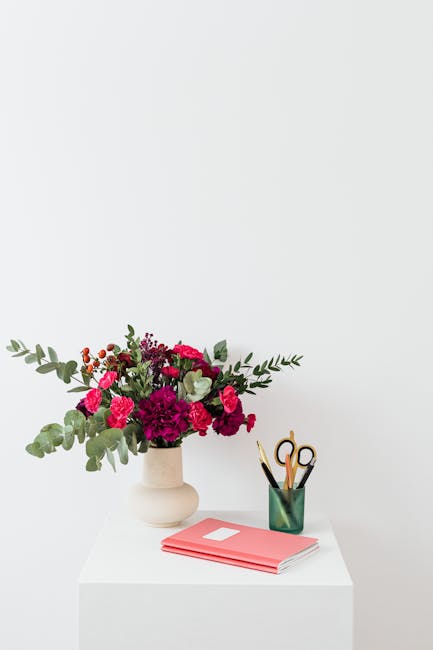
Why Common problems with corporate flower contracts in Bexley offices Matters
On paper, a flower contract sounds simple. A florist delivers fresh arrangements on a schedule, the office looks better, and everyone carries on. In practice, the little details matter far more than most people expect. A reception display that arrives wilted, a contract that auto-renews without much warning, or a delivery that turns up after visitors have already come and gone can quietly damage the professional feel you were trying to create.
For Bexley offices, this matters even more because workplaces here are often balancing tight budgets, practical space limits, variable foot traffic, and a mix of formal and informal client-facing environments. A legal office near a station, a financial firm in a business park, or a small professional practice above a retail parade all have different needs. Yet they are often sold the same neat-sounding package. That is where trouble starts.
Let's face it: flowers are meant to reduce stress, not add it. If a contract creates endless follow-ups, awkward invoices, or staff complaints about freshness, the service has missed the point. And once a team starts noticing the same problems every week, trust drops quickly. You feel it in the room.
There is also a brand side to this. Corporate flowers are part of the office atmosphere, and atmosphere is part of reputation. A tired arrangement on a reception counter can send the wrong message before anyone has even spoken to a visitor. That may sound small, but in business, small details stack up. They really do.
How Common problems with corporate flower contracts in Bexley offices Works
A corporate flower contract is usually a recurring arrangement between a business and a florist or floral supplier. The office agrees a delivery pattern, arrangement style, spending level, and service expectations. In return, the florist provides regularly refreshed flowers, often to reception desks, meeting rooms, client suites, breakout spaces, or executive offices.
Most contracts work in one of a few ways:
- Fixed weekly or fortnightly deliveries with a set design brief
- Subscription-style arrangements where the bouquet changes each cycle
- Account-based service for larger offices with multiple sites or departments
- Seasonal refresh contracts with different spend levels during busy periods
The promise is convenience. The office saves time, gets reliable presentation, and does not need to place repeated ad hoc orders. But the contract only works well when the details are clear. Who signs off substitutions? What happens if the room is closed? Are vases included? How is damage handled? If those basics are fuzzy, you get friction.
In our experience, the most common issues begin long before the first delivery. The initial conversation is often enthusiastic, but the actual service needs to be practical. A good florist will ask about light levels, desk size, fragrance sensitivity, building access, lift restrictions, and preferred colours. A weaker arrangement can look lovely on a brochure and then fall apart in the real office. A bit like buying shoes online and finding out they pinch after ten minutes. Same idea, different headache.
For offices in Bexley, the logistics can also be more awkward than people expect. Deliveries may need to navigate shared entrances, reception opening hours, security desks, loading restrictions, or parking limits. If those are not discussed early, the first clue you have is a late driver standing outside with flowers and nowhere obvious to leave them.
Key Benefits and Practical Advantages
It would be easy to focus only on what goes wrong, but good flower contracts can genuinely help an office run more smoothly. When the service is well managed, the benefits are easy to see.
- Consistent presentation: the office looks considered and welcoming without last-minute scrambling.
- Less admin: a regular contract reduces the need to re-order every time.
- Better visitor experience: reception areas feel warmer and more professional.
- Seasonal variety: arrangements can reflect the time of year or company branding.
- Predictable budgeting: a planned contract can be easier to manage than random one-off purchases.
There is also a subtle internal benefit. Staff notice when a workplace feels cared for. A clean desk and a fresh arrangement are not magic, of course, but they do shift the tone of a room. On a grey Thursday morning, that matters more than people admit.
When contracts are set up properly, they can also support wider office routines. Flowers can be timed around board meetings, client visits, open days, company milestones, or seasonal branding. If the florist is organised, that becomes one less thing for the office team to think about.
| Benefit | What it looks like in practice | Why it matters |
|---|---|---|
| Consistency | Same day, same standard, same service level | Reduces surprise and protects the office image |
| Flexibility | Seasonal changes, colour shifts, size adjustments | Keeps the space fresh and relevant |
| Efficiency | Automatic renewals and scheduled delivery | Saves time for busy teams |
| Budget control | Fixed spend or clearly defined tiers | Makes costs easier to plan |
Who This Is For and When It Makes Sense
This topic is most relevant if you are responsible for the space, the client experience, or the budget. That can mean an office manager, facilities lead, operations manager, receptionist, executive assistant, or business owner. It also matters for landlords and serviced office operators who want communal areas to look polished without constantly micromanaging suppliers.
A corporate flower contract makes sense when:
- you want regular flowers rather than occasional one-off orders
- the office receives clients, candidates, or visitors
- you need a reliable supplier who can work to schedule
- the team does not have time to keep arranging flowers manually
- brand presentation is part of the business experience
It may be less suitable if the office is very low-traffic, has limited natural light, or has strong fragrance concerns. In those cases, simpler designs, fewer stems, or occasional deliveries may be a better fit. Truth be told, not every workplace needs a full floral program. Sometimes a smaller, smarter arrangement does the job better.
There is also a timing issue. Some offices only notice the need for a contract when they are preparing for a client-heavy quarter, a refurbishment, a relocation, or a seasonal event period. That is often the moment when they realise they need a supplier who can be dependable under pressure. And pressure is where weak contracts show themselves.
Step-by-Step Guidance
If you are trying to avoid the common problems with corporate flower contracts in Bexley offices, a clear process helps. Here is the sensible way to approach it.
-
Define the purpose first.
Ask what the flowers are supposed to do. Welcome clients? Improve staff morale? Support branding? Cover a boardroom? The answer changes the contract brief.
-
Audit the space.
Look at light, heat, air conditioning, available surfaces, security access, and how often visitors see the arrangement. A tiny lobby and a large reception area need very different solutions.
-
Set a realistic budget.
Be clear about weekly, monthly, or seasonal spend. Ask what is included: vase hire, replacements, delivery, installation, and removals. Hidden extras are where the budget starts to wobble.
-
Agree service details in writing.
Delivery windows, replacement policy, emergency contact route, and quality standards should not live only in someone's memory. That road leads to confusion fast.
-
Check flexibility.
Can the florist pause deliveries during holidays? Can they switch colours for a campaign? What if the reception is closed on the usual delivery day?
-
Test the first few cycles closely.
Do not assume the service will settle itself. Review freshness, style, punctuality, and communication during the first month or two.
-
Keep feedback practical and immediate.
If the roses are opening too fast, the stems are too tall, or the arrangement is blocking sightlines, say so early. Small course corrections are much easier than contract disputes.
A simple note from reception can be surprisingly useful here. If the person who sees the flowers first every week is happy, you are usually on the right track. If they are sighing by Tuesday afternoon, that tells you something too.
Expert Tips for Better Results
There are a few small habits that make a big difference. None of them are flashy, which is probably why they get overlooked.
- Choose arrangements by location, not just by style. A statement piece that looks brilliant in a showroom may overwhelm a narrow desk or busy counter.
- Ask about lifespan, not just appearance. The nicest arrangement in the world is no help if it collapses after two days.
- Keep fragrance in mind. Some offices are better with low-scent or mixed foliage-heavy designs, especially in enclosed spaces.
- Match the supplier to the office rhythm. If your building is busy early, a florist who delivers mid-afternoon may not be ideal.
- Use seasonal designs strategically. You do not need a complete redesign every week, but seasonal shifts keep things from feeling stale.
- Document substitution rules. If a flower type is unavailable, what level of substitution is acceptable? This avoids awkward surprises.
One thing people often forget: office flowers are part service, part logistics. The design matters, but so does the handover. A decent arrangement delivered to the wrong desk is still a problem. Not a huge one, but enough to annoy someone who already has three things on their plate.
Another useful approach is to review the service at the same time each month. Keep it quick. Five minutes, maybe ten. Ask: did it arrive on time, did it look right, did it last, and did anyone actually notice it in a good way? That last question is more useful than it sounds.

Common Mistakes to Avoid
The same errors tend to appear again and again. Some are minor, others become expensive.
- Signing without checking delivery access. Many office issues are actually building-management issues in disguise.
- Assuming the same bouquet works everywhere. Reception, boardroom, and breakout space all have different needs.
- Ignoring contract renewal dates. Auto-renewal is convenient until it is not.
- Not defining substitution standards. "Similar flowers" can mean very different things to different people.
- Focusing only on price. Cheap can be fine. Cheap and unreliable is not.
- Leaving office feedback to chance. If no one owns the review process, the service slips quietly.
There is also a funny little trap here: people often choose a contract at a busy moment, then forget to revisit it once things settle. That is human, and fair enough. But the office keeps changing, and the floral arrangement should keep up. If it does not, the contract becomes stale even if the flowers are technically fresh.
Another mistake is over-specifying the design and under-specifying the service. You can spend ages discussing colour palettes and still miss the fact that the flowers need to be delivered before the lift access window closes. Real-world details win every time.
Tools, Resources and Recommendations
You do not need specialist software to manage a flower contract well, but a few simple tools help. A basic shared calendar, an internal approval note, and a recurring review checklist can do most of the heavy lifting.
For contract management, keep one short document that covers:
- delivery day and time window
- named contact person for access
- standard arrangement size and location
- budget cap and billing cycle
- replacement policy for damaged or late items
- pause or holiday arrangements
For day-to-day care, it helps to have a basic flowers and vase routine. If your team is responsible for topping up water or moving an arrangement in a warm meeting room, the florist should explain the aftercare clearly. You can also keep a short office note with preferences such as low fragrance, no lilies, corporate colours, or allergy-sensitive rooms.
Where relevant, product ranges can be useful for browsing style ideas before committing. The corporate accounts page is a sensible starting point if you are looking at business-friendly ordering and account-style service. If you want to understand care expectations better, the flower care guidance is also worth checking because even good arrangements last longer when the basic care is right.
For offices that need broader flexibility, browsing the general selection such as all flowers can help you compare styles before choosing a recurring format. And if you are managing multiple types of office events, the corporate gifting range may be useful for linked workplace occasions.
Law, Compliance, Standards, or Best Practice
Flower contracts are not usually heavily regulated in the way some services are, but office buyers still need to think about reasonable standards, clear terms, and basic duty of care. In a UK office setting, that means taking practical steps rather than relying on assumptions.
Best practice includes:
- clear written terms covering payment, delivery, renewal, and cancellation
- transparent substitution policy so the office knows what may change
- attention to accessibility when placing or moving displays
- awareness of allergies and scent sensitivity in shared workspaces
- safe placement so arrangements do not block routes, screens, or exits
It is also sensible to make sure the contract process aligns with your own procurement and approval rules. That may sound dull. It is dull. But dull is good when you are avoiding billing disputes six months down the line.
If your office operates under a property manager, serviced office agreement, or internal facilities policy, check whether there are restrictions on deliveries, lobby use, or decorative items in common areas. These are not always obvious until someone raises a concern. Better to ask early than rearrange a floral display in a corridor at 8:30 on a wet Tuesday morning.
For general business trust and site transparency, pages such as terms and conditions, delivery, returns and refund, and privacy policy are useful reference points on a supplier website. They help set expectations around service, timing, and handling of problems.
Options, Methods, or Comparison Table
Not every office needs the same service model. Here is a simple comparison that may help when deciding what kind of contract suits your space.
| Option | Best for | Potential downside | Watch-outs |
|---|---|---|---|
| Weekly fixed contract | Busy reception areas and client-facing businesses | Can feel repetitive if the design never changes | Check freshness, substitutions, and renewal terms |
| Subscription-style service | Offices wanting easy, recurring delivery | May be too generic if not customised | Confirm size, vase inclusion, and pause options |
| On-demand corporate ordering | Lower-volume offices or occasional events | More admin and less consistency | Delivery timing and availability matter a lot |
| Seasonal office refreshes | Businesses that want periodic impact without weekly spend | Gaps between updates can make the office feel empty | Set a clear calendar from the start |
The right method depends on how visible the flowers are, who pays for them, and how much flexibility the office wants. If the flowers are mainly there for client impression, reliability usually matters more than variety. If they are for staff wellbeing, softer design changes and lower maintenance may be more useful.
Case Study or Real-World Example
Here is a realistic example. A small professional office in Bexley wanted fresh flowers at reception every week. The original contract looked fine at first glance: fixed price, weekly delivery, and a "premium seasonal arrangement." Simple enough. But within two months, the team had three recurring problems.
First, deliveries were arriving after the morning visitor window, so the arrangement often sat unopened until midday. Second, the flowers were tall enough to block the reception line of sight, which made the desk feel cluttered. Third, the contract included a set vase size that did not fit the available surface once the phone, sign-in pad, and visitor badges were in place. Nothing dramatic. Just enough friction to make people grumble.
The fix was not complicated. They changed the delivery time, asked for a lower arrangement profile, and wrote down a substitution policy so seasonal stock issues did not become a weekly surprise. They also agreed a short monthly review with reception. Within a few cycles, the service felt much calmer and the space looked more intentional.
That is the thing, really. Most contract problems are not glamorous disasters. They are small mismatches repeated over and over. Solve the mismatch, and the whole service improves.
Practical Checklist
Use this checklist before you sign, renew, or review a corporate flower contract for a Bexley office.
- Purpose defined: Is the contract for reception, meetings, staff areas, or events?
- Budget clear: Are delivery, vase hire, and replacements included?
- Delivery details agreed: Is there a realistic time window and access route?
- Space checked: Will the arrangement fit without blocking signage or walkways?
- Style preferences noted: Are colours, fragrance levels, and flower types documented?
- Substitution policy understood: What happens if specific stems are unavailable?
- Complaint route known: Who should be contacted if a delivery is late or damaged?
- Review date scheduled: Is there a planned point to assess the service?
- Holiday cover arranged: What happens during office closures or busy periods?
- Renewal terms checked: Do you know when and how the contract can end or change?
If you can tick most of those boxes, you are already ahead of many offices. Not perfect. Just much better prepared. And that counts.
Get a free quote today and see how much you can save.
Conclusion
The common problems with corporate flower contracts in Bexley offices usually have less to do with flowers themselves and more to do with expectations, logistics, and contract clarity. When those three pieces line up, the arrangement becomes easy to manage. When they do not, the service can feel irritatingly fragile for something that is meant to make the office look calm and welcoming.
The practical takeaway is straightforward: define the job, check the space, make the service terms clear, and review the arrangement like any other office supply that affects presentation. That is where the real value lives. Not in fancy wording, but in reliable delivery and sensible detail.
If your office flowers have been a bit hit-and-miss lately, do not overthink it. Start with the basics, ask sharper questions, and choose the arrangement that fits how your workplace actually works. That usually solves more than people expect. And honestly, a well-run reception with fresh flowers on a bright morning just feels better. It does.

Frequently Asked Questions
What are the most common problems with corporate flower contracts in Bexley offices?
The most common issues are late deliveries, poor communication, unclear renewal terms, hidden charges, and arrangements that do not suit the office space. Quality drift over time is another frequent complaint.
Why do office flower contracts go wrong so often?
They usually go wrong because the contract focuses on price or appearance but not on the practical details. Things like access, timing, vase size, and substitution rules are easy to overlook at the start.
How can I tell if a corporate flower contract is good value?
A good-value contract is one that is reliable, easy to manage, and appropriate for the space. If the flowers consistently look fresh, arrive on time, and do not create extra admin, the value is usually there.
Should a Bexley office choose weekly or fortnightly flower delivery?
It depends on the room and how visible the flowers are. Busy reception areas often suit weekly delivery, while lower-traffic spaces may work better with a longer cycle if the flowers still last well.
What should be written into a corporate flower contract?
You should ideally include delivery timing, payment terms, arrangement size, substitution policy, contact details, holiday pauses, and what happens if something arrives damaged or late.
Can corporate flowers be low-fragrance for shared offices?
Yes. That is often a sensible choice, especially in enclosed workspaces or places where staff or visitors are sensitive to fragrance. Ask for lower-scent designs or foliage-led arrangements.
Are auto-renewing flower contracts a bad idea?
Not always, but they do need attention. Auto-renewal is useful only if you are happy with the service and know how to review or exit the agreement before it rolls over again.
What if the flowers arrive and they are not what we expected?
Raise it quickly with the supplier and refer back to the contract wording or brief. The sooner you flag the issue, the easier it is to resolve without repeat problems.
Do corporate flower contracts work for small offices too?
Yes, especially if the office wants a polished reception area or regular client-facing presentation without the hassle of ordering every time. Smaller offices may simply need a lighter, more flexible arrangement.
How do I avoid hidden costs in flower contracts?
Ask exactly what is included before signing. Delivery, vases, replacements, special event changes, and late fees should all be clarified in writing. If something is vague, assume it might cost extra.
What is the best way to review a flower contract after it starts?
Check the first few deliveries closely, then review the service monthly for a while. Look at freshness, punctuality, presentation, and whether the arrangement actually suits the room.
Where should corporate flowers be placed in an office?
Reception desks, client waiting areas, meeting rooms, and boardrooms are the most common spots. The placement should suit the room size and never block movement, sightlines, or essential equipment.
Can a florist adapt flowers for branding or seasonal campaigns?
Yes, if the contract allows for flexibility. This is often a useful option for offices that want colours or styles to align with company campaigns, launches, or seasonal events.
What is the biggest mistake office managers make with flower contracts?
The biggest mistake is assuming the arrangement will manage itself. In reality, the best results come from clear expectations, a simple feedback loop, and a florist who understands the office properly.